Home drug testing a loved one can help or backfire, and the difference is almost never the test. It is the framework around it. Testing inside an agreed, professionally guided recovery plan…
A comedown is the crash that follows stimulant or party-drug use, as the brain's depleted chemistry rebounds: exhaustion, low mood, anxiety, irritability, and brain fog lasting hours to days. A comedown itself…
Faith and clinical care are not competitors. For many Houston families, a Christian framework is what makes recovery meaningful enough to sustain, and clinical treatment is what makes it medically and psychologically…
Therapy is essential and it is one hour out of 168. For active addiction and serious co-occurring conditions, weekly sessions often cannot match the dose of the problem: insight grows while behavior…
Outpatient care has a ceiling. Weekly therapy and even standard IOP assume the person is safe and functional between sessions. When use continues despite engagement, when withdrawal is medically risky, when mental…
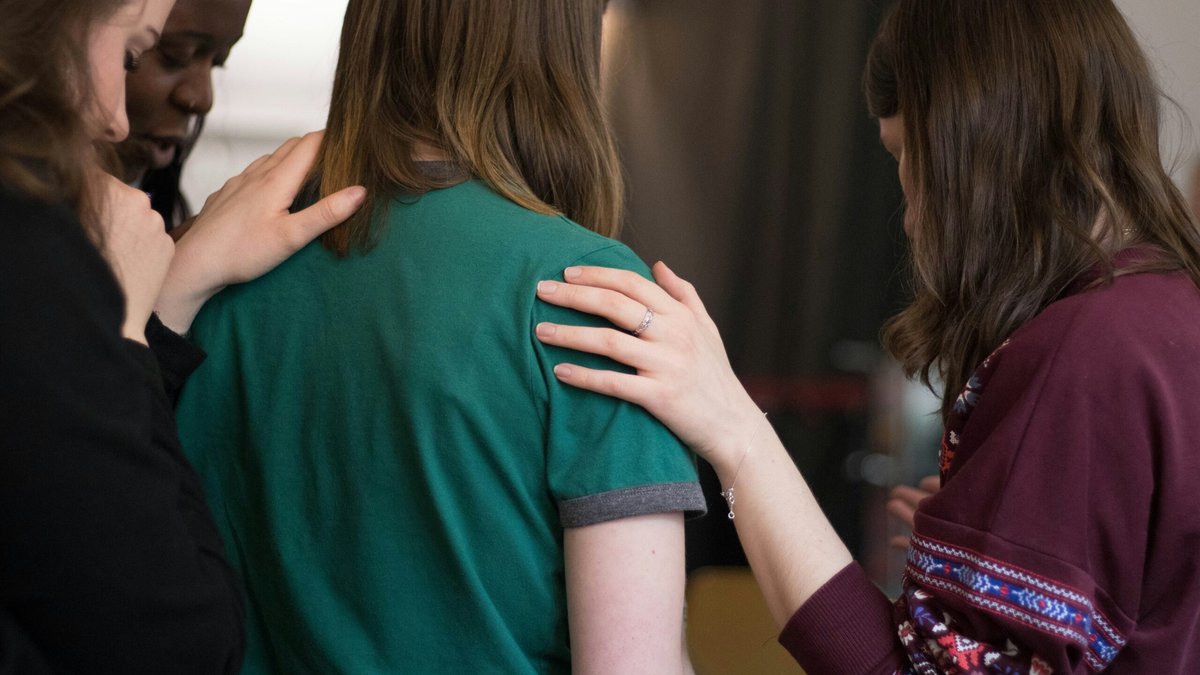
A family intervention is a planned, clinician-guided process, not a single dramatic meeting. In our Houston practice it runs in three phases: preparation (assessment, team building, treatment arrangements, rehearsal), the conversation itself…
An intervention becomes the right move when three things line up: the problem is escalating, direct conversations have failed, and the family is absorbing damage while waiting. No single sign decides it.…
When someone refuses addiction treatment, the family still has real moves left. Refusal is rarely permanent; it is a position, and positions change when the conditions around them change. The work shifts…
Weekly therapy is powerful, but it is one hour out of 168. When addiction or a co-occurring condition is active, the other 167 hours often need structure too. The signs below tell…
Enabling is any action that protects a person with an addiction from the natural consequences of their use. Supporting helps the person; enabling helps the addiction. The line between the two is…